
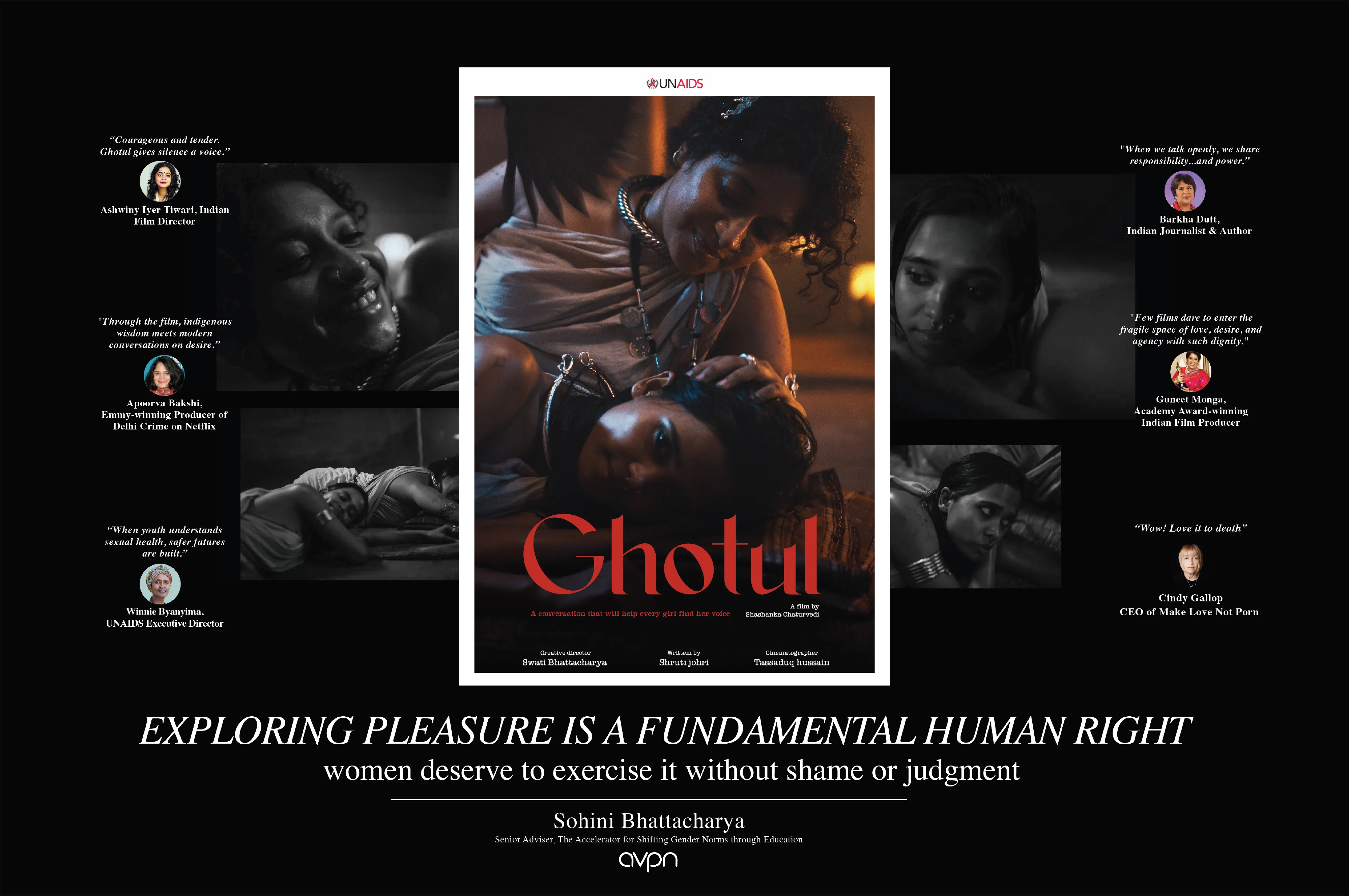
Description
The direction of Ghotul treats a sensitive subject with striking restraint and intimacy, centering the film around a quiet, authentic conversation between a mother and daughter. Set within a single, lived-in space, the narrative unfolds, drawing the audience into a deeply personal moment without dramatisation. Rooted in the cultural idea of Ghotul, traditionally a space for open dialogue around relationships and intimacy, the film bridges heritage with present-day realities. The performances are minimal and nuanced, where silences and glances carry as much weight as dialogue. By balancing warmth with underlying discomfort, the direction avoids moralising, instead creating an honest, empathetic experience. It replaces stigma with understanding, making the film feel less like communication and more like a memory that quietly sparks conversation.